Courses and lectures
For language lessons, educational videos and specialist lectures, we use consistent terminology and align subtitles with presentation material and pauses to help viewers follow the content.
We provide subtitle translation and dubbing for courses, lectures, interviews, cultural content and product demonstrations. We carry out the agreed translation, timing, recording and video finishing to deliver a target-language version.
Working from video or existing subtitles, we transcribe, translate, check terminology, divide lines and adjust timing. We check reading time, placement and how subtitles appear on screen.
For language lessons, educational videos and specialist lectures, we use consistent terminology and align subtitles with presentation material and pauses to help viewers follow the content.
For interviews, cultural introductions and recorded exchanges, we handle forms of address, speech and cultural context, retain the speaker's tone, and divide lines for comfortable reading.
For product features, instructions and demonstrations, we check interface names, steps and prompts, align subtitles with actions and keep key operating areas visible.
Monolingual subtitles focus on the target language; bilingual subtitles allow comparison. Screen size and picture content also affect the choice.
The bilingual version keeps both languages. Each needs its own line-break checks, with enough space left for the picture.
The monolingual version reduces on-screen text for audiences who mainly use the target language.
Keep related meaning together and divide the text for reading.
Read with the previous segment to complete the meaning.
Text excerpted from the UN's published Chinese and English versions of Article 1 of the Universal Declaration of Human Rights. This illustrates subtitle layout only; the timing divides text for reading and does not represent a recording or a TLANG translation.
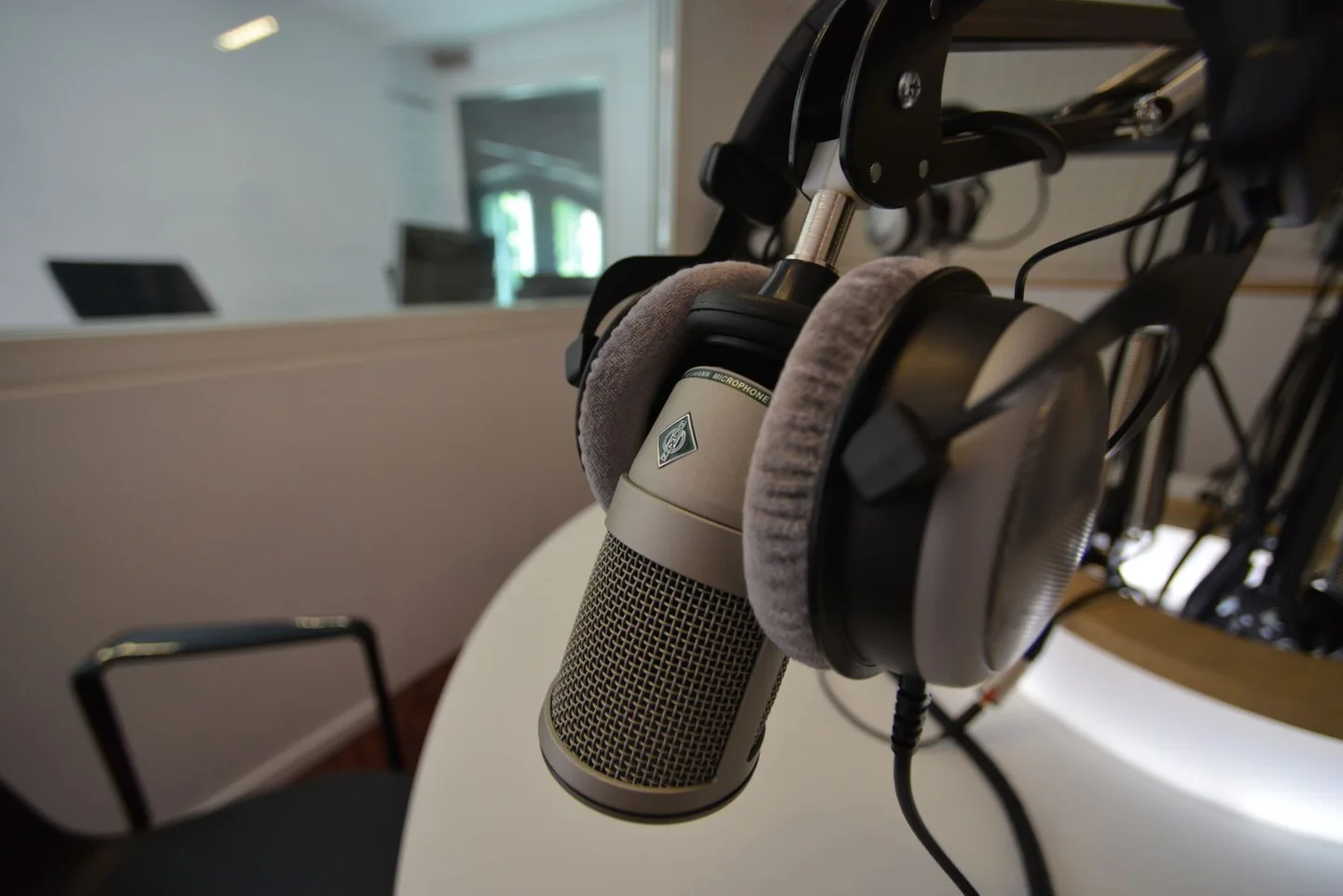
We adapt scripts, record target-language speech and combine sound with existing video. Course explanations need continuity; personal and cultural content needs appropriate tone and context; operating videos need spoken instructions that match the actions shown.
Work on spoken phrasing, pronunciation of names, pauses and references to the picture.
Agree voice requirements for the audience and use, then record and make necessary revisions.
Edit and mix speech with original sound, music and effects, and adapt on-screen text.
Check audio, picture, subtitles and credits, then export release versions as agreed.
The adapted script, audio, subtitles and picture align within the same version.
For releases in different regions, pronunciation of names, on-screen text and credits can be confirmed for each version.